Access is a critical part of benefits value
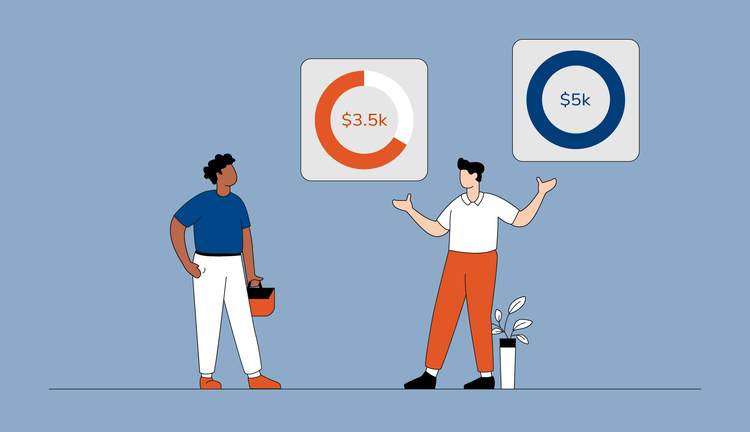
Employee benefits can make a meaningful contribution to financial wellbeing and the broader employee experience. But in a large and varied workforce like Defence, the value of an employee benefits program will not be experienced in the same way by everyone.
Defence employees and members work across metropolitan, regional and remote locations, in office-based and operational roles, and across a wide range of working patterns. Some employees may actively seek out information about salary packaging or novated leasing. Others may only encounter it when it becomes relevant to them. For HR and People leaders, that makes access an important part of how the benefits program is designed, communicated and supported.
Different parts of the workforce may need different ways in
Digital access is an essential part of a modern benefits program. It gives employees flexibility, creates consistency across locations and makes it possible to provide support at scale.
But digital reach does not always translate into equal engagement. A Defence employee who spends much of the day at a computer may encounter benefits information very differently from someone working shifts, in an operational environment or across multiple locations.
A mix of channels can help close that gap. Gallagher's 2026 Workplace Wellbeing Index1 found that email was the preferred channel for benefits communication (73%), followed by face-to-face events (31%) and online access (28%).¹
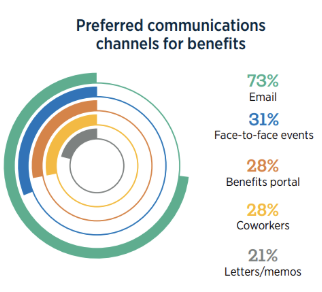
For a workforce like Defence, this reinforces the value of combining different channels. In-person education gives employees an opportunity to learn about benefits in context, ask questions and understand how employee benefits may apply to their circumstances. Digital tools can then make it easier to explore further, complete simple tasks and manage benefits independently.
For HR teams, the opportunity is not to choose between digital and face-to-face support. It is to connect the two, creating different ways into the program depending on how and where people work.
Education converts awareness into action
Employees may know that salary packaging exists without understanding how it works, whether it is relevant to them or what they need to do next. This is where education becomes important. The aim is not simply to communicate more often, but to make the subject easier to understand and easier to act on.
There is evidence that employees want more help to build that understanding. Australian workforce research2 found that one in three employees would use financial education or tools at least once a month if they were offered by their employer, with a further third saying they would use them around every six months. Yet only 15% said their employer had offered this kind of support.
Participation can show where there is more value to unlock
For HR and People leaders, participation data can provide a useful view of how effectively an employee benefits offer is connecting with different parts of the workforce.
Overall participation is just one measure. The ability to understand participation in more detail provides actionable insights. Are people in some locations engaging more than others? Are there differences between workforce groups? Does participation change after an education session or more targeted communication? Are some parts of the program attracting strong interest while others remain less well understood?
These patterns show where there are opportunities to deliver more value. With better insights, HR can identify where employees may need more support, clearer information or a different way to engage. Used in this way, participation becomes more than a reporting number. It can help inform where to focus education and engagement to extend the value of benefits already available.
Five steps to a more engaged workforce
Engaging your workforce to unlock more value from employee benefits begins with these core questions:
- Are we reaching people in the way they actually work? Consider the different needs of office-based, operational, regional and shift-based employees.
- Is the information easy to understand? Employees should be able to quickly grasp what a benefit is, why it may be relevant and what to do next.
- Can people get help when they need it? Human support can be particularly valuable when employees are considering a benefit for the first time or have questions about their circumstances.
- Do we understand who is participating? Looking at engagement across locations and workforce groups can highlight where additional education or support may help.
- Do digital and face-to-face channels work together? Measuring engagement across different channels provides the insights needed to optimise the mix of digital and face-to-face support. Employees should be able to move easily from initial awareness and education to self-service and ongoing support.
Reaching a workforce at scale
As an employee benefits provider, Maxxia brings the largest team of on-site customer education managers, supported by experience across Federal Government and critical-service organisations. That includes 35+ years’ experience more than 2,000 employer partners, including 38 Federal Government agencies.
Maxxia delivers structured ongoing face-to-face benefits education across Federal Government agencies, helping employees better understand their entitlements, explore their options and make informed decisions about their benefits.
Maxxia brings together reach, relevant workforce experience and an established understanding of government operating requirements. For Defence, it provides a model designed to support employees in person as well as online, at the scale and complexity the workforce demands.
1. Gallagher, Workforce Trends Report, 2026
2. TAL, Employee financial health and literacy, August 2023
Related articles
Subscribe to the HR Impact Series
Stay across the latest thinking to maximise engagement, value and ROI of your benefits program.